Why invest in Agilyx?
Agilyx ASA is a leading global investment platform supporting the development of plastic waste recycling. Through its majority holding in GreenDot Global, Agilyx helps supply critical European-sourced feedstock to the European recycling markets. Through arcLABS, Agilyx provides services including characterization and identification of plastic streams that can be turned into feedstock sources matched to recycling processes. In addition, Agilyx markets Styrenyx, its proprietary chemical recycling technology, to recycle polystyrene waste into recycled styrene monomers for reuse in new, high-quality products. By enabling the shift from a linear “make-take-waste” model to a circular economy, Agilyx helps solve the crisis of plastic waste and supports the global transition to a low-carbon future.

Agilyx at a glance
FIRST MOVER IN A DYNAMIC MARKET
A structural supply gap in European recycled plastics creates an opportunity for rapid growth
PROFITABLE EU PLATFORM
Scaled integrated and profitable recycling platform to supply market needs
DERISKED MARKET POSITIONING
Position upstream in the value chain decreases dependency on conversion technologies
LOW CAPITAL NEEDS
Strengthened financial position and extended runaway, allow for organic growth financing
Given the complexity of plastics, and the difficulty in sourcing post-use plastics,
feedstock availability is an enormous industry BOTTLENECK
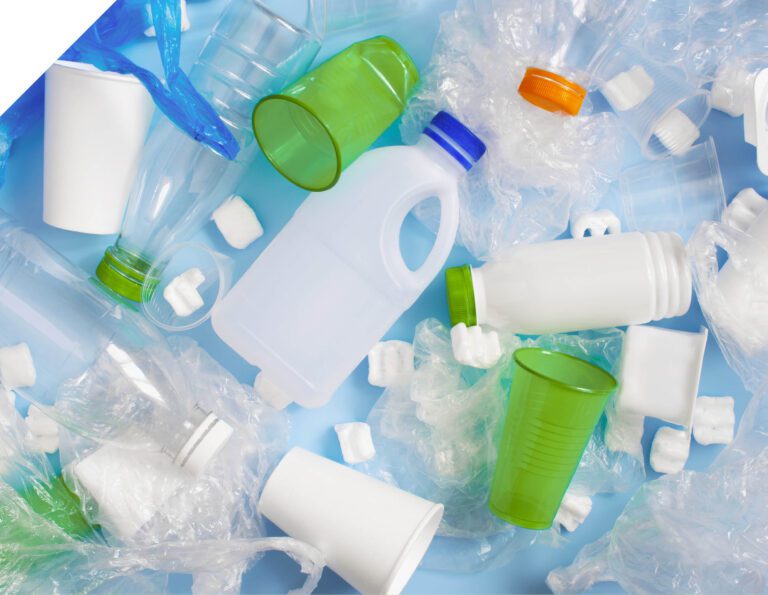
With seven primary types of plastic and countless combinations of additives and contaminants,
the plastic waste stream is incredibly complex and poses significant challenges for recyclers.
Despite high demand for quality feedstock, many materials, including films, foams, and multi-layer packaging, are not widely accepted in easily accessible recycling services (like curbside pick-up and drop-off facilities). This leads to difficult recovery and thus, a limited supply of waste plastic for recycling. Adding to this challenge, each recycling technology requires a specific feedstock profile to operate efficiently, further complicating the process.

Addressesing the feedstock supply shortage
New regulations and increased consumer environmental awareness are pressuring brands to increase their recycled content targets.
This creates a significant challenge in accessing appropriate feedstock to supply mechanical and advanced recycling production facilities.
New regulations and increased consumer environmental awareness are pressuring brands to increase their recycled content targets.
This creates a significant challenge in accessing appropriate feedstock to supply mechanical and advanced recycling production facilities.
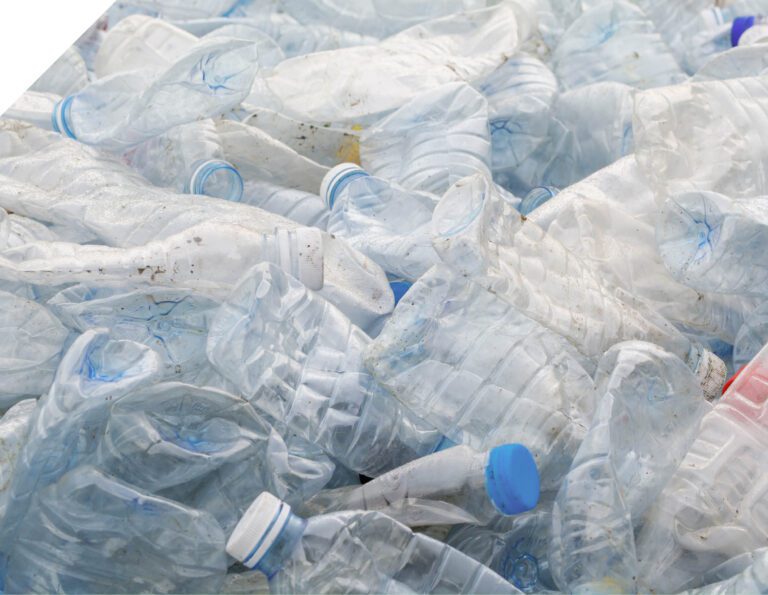
Feedstock solutions for recycling technologies
We are working on expanding the range of plastic waste that is collected and custom-formulated into feedstock derived from post-use plastics for both advanced and mechanical recycling processes. Precision is made possible through proprietary technology and advanced sorting capabilities used to analyze, blend, and custom-formulate recycled feedstock to meet customer specifications. We aim to recover more plastic, more effectively, and turn waste into value.
We are working on expanding the range of plastic waste that is collected and custom-formulated into feedstock derived from post-use plastics for both advanced and mechanical recycling processes. Precision is made possible through proprietary technology and advanced sorting capabilities used to analyze, blend, and custom-formulate recycled feedstock to meet customer specifications. We aim to recover more plastic, more effectively, and turn waste into value.

Strong growth in feedstock demand is supported by market conditions, presenting a unique investment opportunity in plastic recycling infrastructure and substantial profit potential in the recycled plastics market.
Premiums driven by a significant supply-demand imbalance
These high premiums are driven by a significant supply-demand imbalance. The availability of feedstock for mechanical and advanced recycling lags behind announced capacity by as much as 60%.* Addressing this demand highlights the vital importance of feedstock in fostering circularity and improving the handling of post-use plastic waste.
*Wood Mackenzie